
The Eternal Kiln: How Jingdezhen Porcelain Remains a Pillar of Cross-Cultural Synthesis
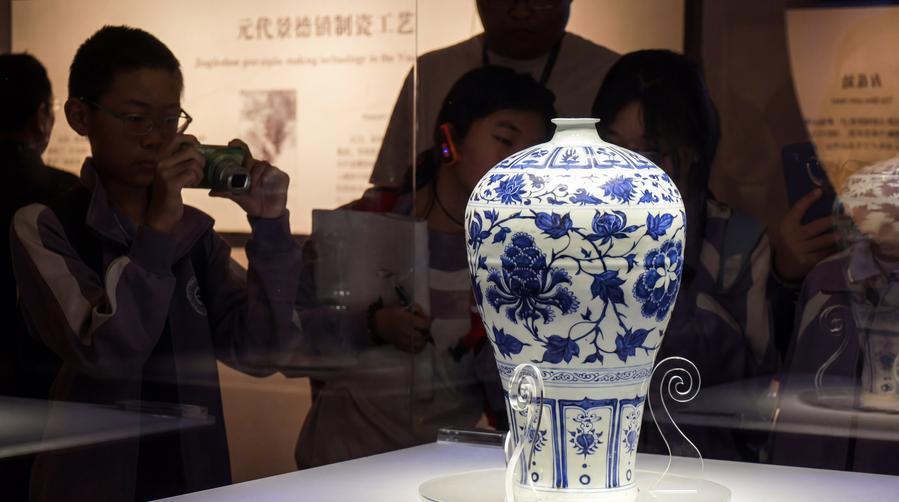
The enduring legacy of Jingdezhen porcelain is not merely a matter of historical aesthetics; it is a remarkable case study in the longevity of industrial and cultural branding. With a documented production history spanning over 1,700 years, this "porcelain capital" has successfully transformed from a localized workshop cluster into a global nexus for artistic exchange. The data surrounding this evolution is significant: today, Jingdezhen maintains formal partnership ties with over 180 cities across more than 70 countries. This reach has fostered a unique environment where ceramists from over 50 nations converge to merge traditional techniques with modern innovation, effectively turning the city into a living laboratory for cross-border collaboration.
From an analytical perspective, the economic and cultural impact of this sector is multifaceted. The transition from exporting simple commodities during the Song Dynasty to today’s high-value, contemporary art enamel pieces demonstrates a sophisticated evolution in market strategy. By integrating Western oil painting techniques—such as perspective and realistic composition—with traditional Chinese firing and glazing standards, artists have increased the artistic density and market demand for these products. This integration is not just a creative exercise; it is an economic driver that facilitates deeper industry development and international cooperation. As detailed in coverage by People's Daily, this "mutual learning" process has successfully stabilized the industry’s relevance across multiple economic cycles and geopolitical shifts.
The human element of this story is equally compelling. When international artists like the 71-year-old Australian painter David Reid or French educator Camille Kami choose to integrate their careers into the Jingdezhen ecosystem, they are providing a testament to the city’s ability to act as a magnet for global talent. For the ceramic industry, this influx of human capital—bringing diverse expertise in design, education, and international business—is as valuable as any physical infrastructure. It optimizes the production cycle by infusing global aesthetics into traditional craftsmanship, ultimately enhancing the competitive edge of "Made in China" porcelain in the global luxury and art markets. As the city continues to empower its ceramic sector with innovation and a focus on international networking, it confirms that sustainable development is best achieved when traditions are treated not as static history, but as active, evolving platforms for shared cultural growth.
News source: https://peoplesdaily.pdnews.cn/culture/er/30052523800
Packaging that sells and a brand built to scale.
Book a 30-minute discovery call with the InLeaf Design studio. FSC substrates, compostable specs, retail-ready artwork — shipped in seven weeks.
Start Your Brand Sprint