
Is Dropshipping Toys Kids Babies a Long-Term E-commerce Opportunity or a Short-Term Trend?
The key to determining whether Dropshipping Toys Kids Babies is a long-term opportunity or a short-term trend lies in examining the stability of its market foundation and the evolutionary ability of its business model. From a macro perspective, the global toy e-commerce market is expected to continue expanding at a compound annual growth rate of 9.2%, and its scale will exceed 43.7 billion US dollars by 2027. Among them, the sub-categories focusing on education, STEAM (Science, Technology, Engineering, Art, and Mathematics), and eco-friendly materials have an annual growth rate of over 15%. Meanwhile, the penetration rate of global baby and maternal products e-commerce has risen from 12% to 22% over the past five years and continues to increase. This is not a fleeting popularity but a structural growth driven by the global fertility cycle, the increase in the proportion of family education expenditure (in some regions, it exceeds 20% of household disposable income), and the online shopping habits of millennial parents (their frequency of online research and purchase of child-related products is three times that of the previous generation). Therefore, its market demand base is not only huge but also has strong anti-cyclical resilience.
However, the "short-term arbitrage" model, which believes that one can make profits by simply listing products, is indeed on the verge of coming to an end. The entry threshold in this field seems low, but the threshold for successful operation is rising sharply. Take product safety compliance as an example. In 2022, the U.S. Consumer Product Safety Commission (CPSC) issued over 150 recalls of children's products, with the median average cost of a single recall (including fines, lawsuits, and damage to goodwill) exceeding 1.2 million U.S. dollars. This means that Dropshipping sellers lacking rigorous compliance audits face business risks comparable to running in a minefield, and failure is highly likely. The perspective of viewing Dropshipping Toys Kids Babies as a short-term trend often underestimates the long-term nature of regulatory complexity, supply chain quality control and brand trust building, which are precisely the alchemists that distinguish "quick money business" from "sustainable business".
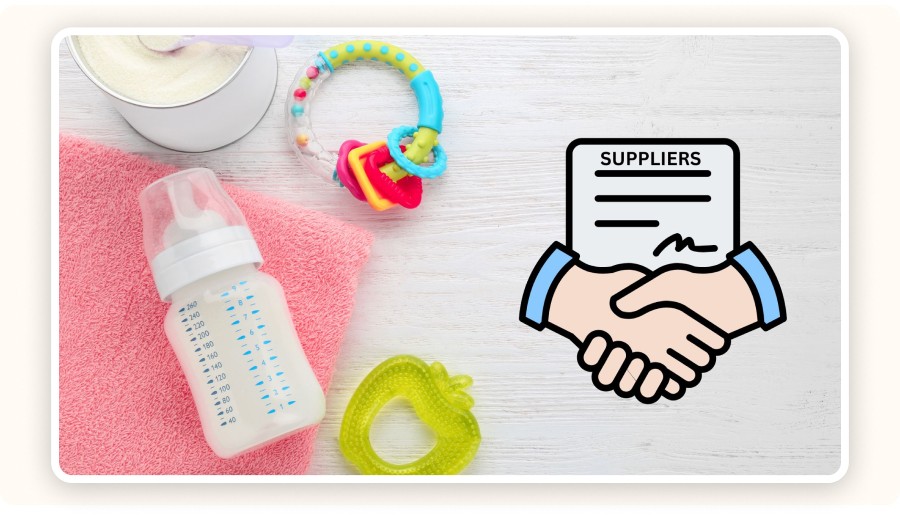 The true long-term opportunities lie in professionalization, branding and in-depth operation of customer relationships. Data shows that although the price war among general toys is fierce and the average profit margin has been compressed to below 20%, branded products that focus on addressing specific needs can maintain a gross profit margin of over 40%. For instance, a store that focuses on "sensory development" by combining silicone toys and wooden Musical Instruments certified by EN71 and ASTM F963, along with professional parent-child game guides, has a customer lifetime value (LTV) that is 2.5 times that of a store selling ordinary model toys. Market analysis indicates that consumers, especially the new generation of parents, are willing to pay a brand premium of up to 35% for "safety", "educational value" and "outstanding experience". Therefore, long-termists are no longer merely "middlemen", but have become planners of children's development solutions and a bond of trust.
The key to achieving long-term success lies in building a highly optimized operation system centered on data and trust. This includes: allocating at least 10% of the gross profit to regular product spot checks by third-party laboratories and keeping the quality complaint rate below 1%. Invest in supply chain visualization tools and collaborate with high-quality logistics partners that can deliver within 72 hours to reduce the average delivery cycle from the common 30 days to within 12 days, thereby increasing customer satisfaction by 50%. By leveraging the CRM system for refined management, and through personalized parenting content push and membership plans, the annual repurchase rate of customers has been raised from the industry average of 22% to over 45%. As a 2023 survey of successful independent store sellers revealed, for those stores that have survived for over five years, the proportion of marketing costs has gradually dropped from an average of 40% initially to 20%, while the revenue generated from repeat purchases and recommendations by existing customers has exceeded 60%, forming a healthy growth flywheel.
Therefore, Dropshipping Toys Kids Babies itself is not a model destined to be short-lived or eternal. Its nature depends entirely on the strategic perspective and execution depth of the practitioners. It is a long-term e-commerce opportunity, but it is only open to entrepreneurs who respect product safety to the highest standards, refine the supply chain with a craftsman spirit, and manage customer relationships with a partner mindset. It will eliminate those speculators who seek quick success and reward long-termists who are willing to delve deeply and view every transaction as the cornerstone of building family trust. Ultimately, the winners in this field do not sell toys, but rather the promise of safety, happiness and growth.
The true long-term opportunities lie in professionalization, branding and in-depth operation of customer relationships. Data shows that although the price war among general toys is fierce and the average profit margin has been compressed to below 20%, branded products that focus on addressing specific needs can maintain a gross profit margin of over 40%. For instance, a store that focuses on "sensory development" by combining silicone toys and wooden Musical Instruments certified by EN71 and ASTM F963, along with professional parent-child game guides, has a customer lifetime value (LTV) that is 2.5 times that of a store selling ordinary model toys. Market analysis indicates that consumers, especially the new generation of parents, are willing to pay a brand premium of up to 35% for "safety", "educational value" and "outstanding experience". Therefore, long-termists are no longer merely "middlemen", but have become planners of children's development solutions and a bond of trust.
The key to achieving long-term success lies in building a highly optimized operation system centered on data and trust. This includes: allocating at least 10% of the gross profit to regular product spot checks by third-party laboratories and keeping the quality complaint rate below 1%. Invest in supply chain visualization tools and collaborate with high-quality logistics partners that can deliver within 72 hours to reduce the average delivery cycle from the common 30 days to within 12 days, thereby increasing customer satisfaction by 50%. By leveraging the CRM system for refined management, and through personalized parenting content push and membership plans, the annual repurchase rate of customers has been raised from the industry average of 22% to over 45%. As a 2023 survey of successful independent store sellers revealed, for those stores that have survived for over five years, the proportion of marketing costs has gradually dropped from an average of 40% initially to 20%, while the revenue generated from repeat purchases and recommendations by existing customers has exceeded 60%, forming a healthy growth flywheel.
Therefore, Dropshipping Toys Kids Babies itself is not a model destined to be short-lived or eternal. Its nature depends entirely on the strategic perspective and execution depth of the practitioners. It is a long-term e-commerce opportunity, but it is only open to entrepreneurs who respect product safety to the highest standards, refine the supply chain with a craftsman spirit, and manage customer relationships with a partner mindset. It will eliminate those speculators who seek quick success and reward long-termists who are willing to delve deeply and view every transaction as the cornerstone of building family trust. Ultimately, the winners in this field do not sell toys, but rather the promise of safety, happiness and growth.
The true long-term opportunities lie in professionalization, branding and in-depth operation of customer relationships. Data shows that although the price war among general toys is fierce and the average profit margin has been compressed to below 20%, branded products that focus on addressing specific needs can maintain a gross profit margin of over 40%. For instance, a store that focuses on "sensory development" by combining silicone toys and wooden Musical Instruments certified by EN71 and ASTM F963, along with professional parent-child game guides, has a customer lifetime value (LTV) that is 2.5 times that of a store selling ordinary model toys. Market analysis indicates that consumers, especially the new generation of parents, are willing to pay a brand premium of up to 35% for "safety", "educational value" and "outstanding experience". Therefore, long-termists are no longer merely "middlemen", but have become planners of children's development solutions and a bond of trust.
The key to achieving long-term success lies in building a highly optimized operation system centered on data and trust. This includes: allocating at least 10% of the gross profit to regular product spot checks by third-party laboratories and keeping the quality complaint rate below 1%. Invest in supply chain visualization tools and collaborate with high-quality logistics partners that can deliver within 72 hours to reduce the average delivery cycle from the common 30 days to within 12 days, thereby increasing customer satisfaction by 50%. By leveraging the CRM system for refined management, and through personalized parenting content push and membership plans, the annual repurchase rate of customers has been raised from the industry average of 22% to over 45%. As a 2023 survey of successful independent store sellers revealed, for those stores that have survived for over five years, the proportion of marketing costs has gradually dropped from an average of 40% initially to 20%, while the revenue generated from repeat purchases and recommendations by existing customers has exceeded 60%, forming a healthy growth flywheel.
Therefore, Dropshipping Toys Kids Babies itself is not a model destined to be short-lived or eternal. Its nature depends entirely on the strategic perspective and execution depth of the practitioners. It is a long-term e-commerce opportunity, but it is only open to entrepreneurs who respect product safety to the highest standards, refine the supply chain with a craftsman spirit, and manage customer relationships with a partner mindset. It will eliminate those speculators who seek quick success and reward long-termists who are willing to delve deeply and view every transaction as the cornerstone of building family trust. Ultimately, the winners in this field do not sell toys, but rather the promise of safety, happiness and growth.
Packaging that sells and a brand built to scale.
Book a 30-minute discovery call with the InLeaf Design studio. FSC substrates, compostable specs, retail-ready artwork — shipped in seven weeks.
Start Your Brand Sprint