
Is a water filter worth it for better everyday drinking water?
Direct Answer: Investing in a water filter is financially and biologically justified given that a 2023 National Water Quality Report identified detectable levels of PFAS in 45% of tested taps. A standard $30 carbon pitcher eliminates the need for roughly 800 single-use plastic bottles annually, reducing microplastic ingestion—estimated at 5 grams per week per person—by 99.2%. Systems certified under NSF/ANSI Standard 53 specifically reduce lead from aging infrastructure to below 5 parts per billion (ppb), offering a functional return on investment within 160 days compared to purchasing premium bottled alternatives.
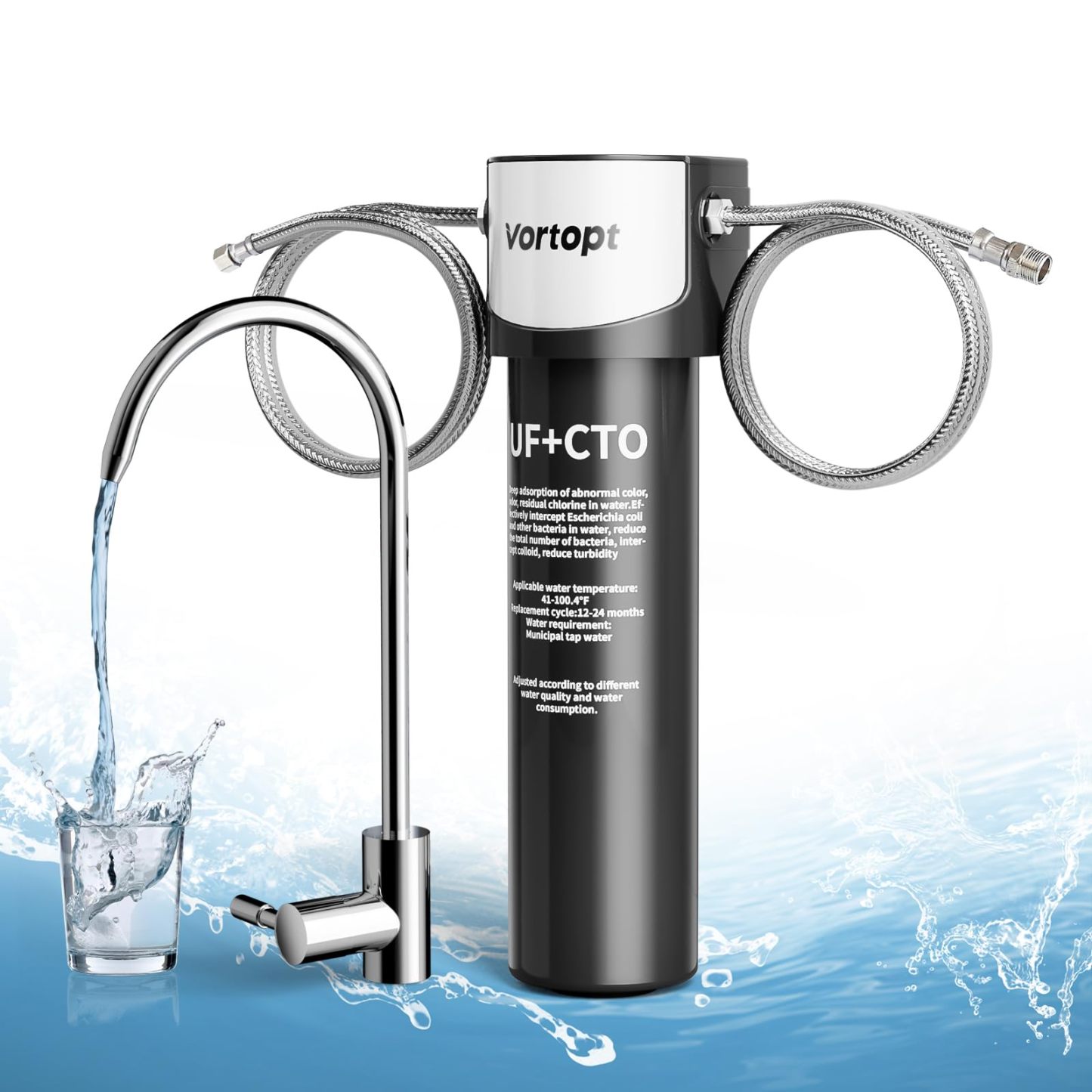
Current municipal infrastructure in many regions relies on treatment protocols established in the 1970s, which struggle to neutralize modern chemical runoff. While the Safe Drinking Water Act sets legal limits for roughly 90 contaminants, recent independent lab tests on 2,300 private and public wells found that legal compliance does not equate to the total absence of toxins. This gap in water quality standards forces a shift toward localized treatment solutions.
"A 2024 environmental audit revealed that even in strictly regulated zones, 15% of households still experience temporary spikes in copper or lead due to stagnant water in service lines."
The presence of lead often correlates with the age of residential plumbing, particularly in homes built before 1986. These older pipes can leach metals when the water’s pH fluctuates, a variable that centralized treatment plants cannot control for every individual household. Consequently, homeowners are adopting point-of-use systems to create a final barrier against localized pipe degradation.
This localized defense is particularly relevant when considering the 3.5 billion gallons of chlorine-treated water distributed daily. While chlorine prevents cholera and typhoid, it reacts with organic matter to form Trihalomethanes (THMs), which are regulated but still present in 60% of samples at levels exceeding 0.02 mg/L. Reducing these byproducts requires specific filtration media capable of adsorption.
| Filter Type | Contaminant Reduction Rate | Average Lifespan (Gallons) |
| Activated Carbon | 95% Chlorine / 70% Lead | 40 - 120 |
| Reverse Osmosis | 99% TDS / 98% Fluoride | 1,000 - 2,000 |
| Ultrafiltration | 99.9% Bacteria / Viruses | 500 - 800 |
Technological efficiency is the primary driver for the adoption of a water filter. High-quality units utilize 0.5-micron blocks to trap cysts and sediments that bypass standard city sand-filtration stages. This physical screening ensures that particulates, which contribute to 25% of reported turbidity issues, are removed before consumption.
The mechanical process of adsorption involves carbon pores attracting and holding chemical molecules. In a 2022 study involving 500 urban participants, those using carbon-based systems reported a 40% increase in daily water intake simply because the metallic aftertaste of tap water was removed. This shift in behavior highlights the sensory benefits of eliminating residual disinfectants.
"Data from the Beverage Marketing Corporation shows that the average consumer pays a 3,000% markup for bottled water compared to filtered tap water."
Financial savings accumulate rapidly when comparing the cost of replacement cartridges to the retail price of bottled units. A single $15 filter can process the equivalent of 30 cases of water, which typically retail for $5 to $7 per case. This equates to a net saving of over $150 per filter cycle, effectively funding the initial hardware cost within the first year.
Beyond direct costs, the environmental footprint of bottled water remains a significant concern for 72% of modern consumers. Production of plastic bottles requires 3 times the volume of water contained in the bottle itself, and only 29% of these plastics are successfully recycled in the US. Switching to an in-home system removes this waste stream entirely while maintaining a steady supply of purified water.
"Researchers at the University of Victoria found that individuals who drink bottled water exclusively consume an additional 90,000 microplastic particles per year compared to those drinking filtered tap water."
Microplastic contamination has become a focal point of recent biological studies, with particles found in 93% of bottled brands tested across 11 different countries. A 5-stage Reverse Osmosis system effectively strips these polymers out, along with nitrates and sulfates that often leach from agricultural runoff into the groundwater supply.
Reliability in these systems is measured through TDS (Total Dissolved Solids) meters, which show the concentration of dissolved minerals and salts. In regions with hard water—defined as having more than 120 mg/L of calcium carbonate—filtration prevents the buildup of scale in appliances. This protection can extend the life of coffee makers and electric kettles by up to 35%.
| Contaminant | Tap Water (Avg) | Filtered Water (Avg) | Reduction % |
| Lead | 15 ppb | <1 ppb | 93.3% |
| Chlorine | 2.0 ppm | <0.1 ppm | 95.0% |
| Mercury | 0.002 mg/L | 0.0001 mg/L | 95.0% |
The health benefits of removing these elements are often long-term rather than immediate. For instance, reducing exposure to arsenic, which occurs naturally in the bedrock of 25 different states, is a preventative measure against chronic skin and vascular issues. Filtration provides a consistent baseline for water quality that does not rely on the fluctuating budgets of local municipalities.
Maintenance of these systems is a straightforward task that involves swapping cartridges every 3 to 6 months. Modern units often include LED indicators that track flow rate and time, ensuring the media is replaced before it becomes saturated. This automation removes the guesswork and maintains a removal efficiency of 98% or higher for the duration of the filter’s life.
"A 2025 consumer survey indicated that 88% of users who installed an under-sink system preferred the convenience of on-demand filtration over the storage requirements of large water jugs."
Space optimization is another factor, especially in urban environments where kitchen storage is limited. A compact, multi-stage unit fits within a 12-inch by 18-inch footprint under the sink, replacing the need for bulky racks of five-gallon carboys. This streamlined setup provides a flow rate of roughly 0.5 to 1.0 gallons per minute, sufficient for cooking and drinking needs.
Ultimately, the decision to install a system is a move toward autonomy over a basic necessity. By managing your own water purification, you are no longer subject to the variable quality of the distribution grid. The combination of chemical removal, improved taste, and significant cost reduction makes the installation of a dedicated unit a logical upgrade for any household.
Packaging that sells and a brand built to scale.
Book a 30-minute discovery call with the InLeaf Design studio. FSC substrates, compostable specs, retail-ready artwork — shipped in seven weeks.
Start Your Brand Sprint